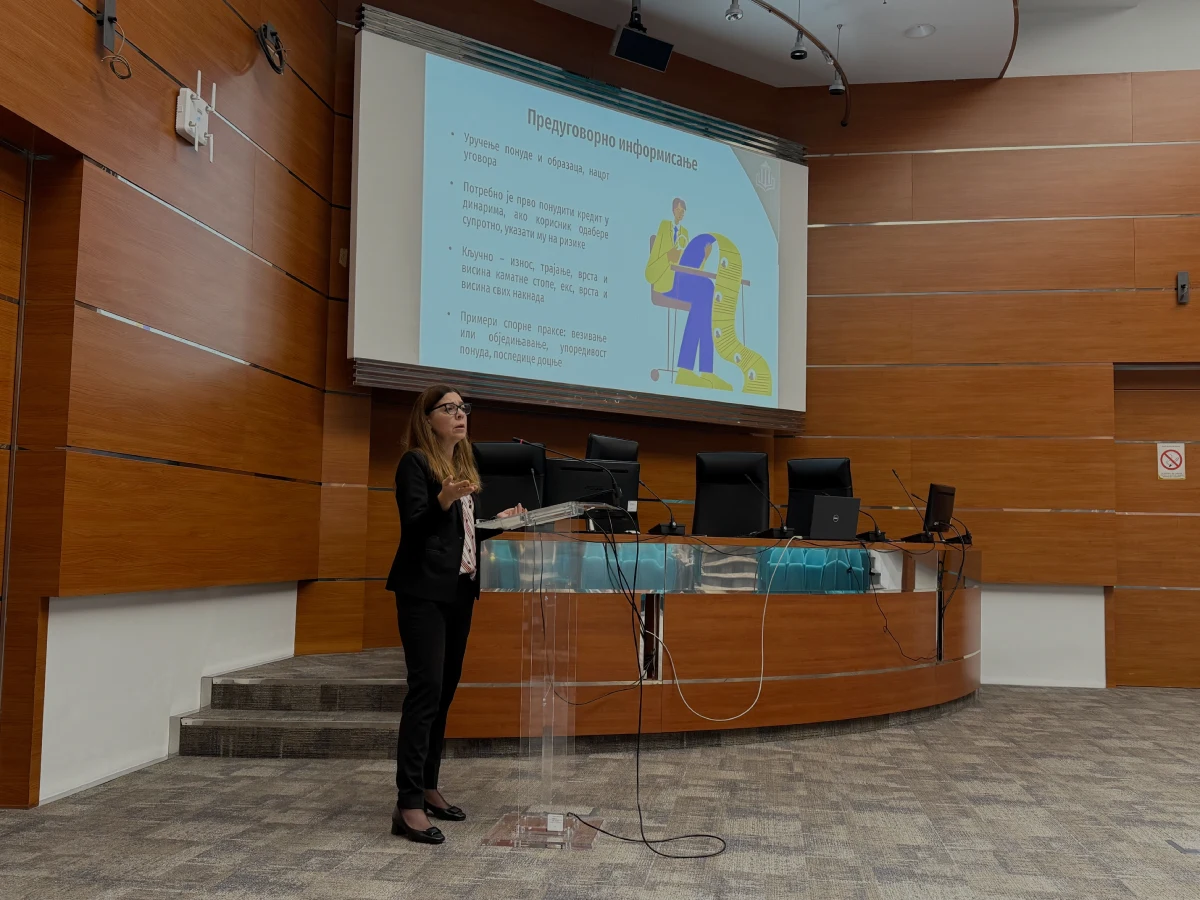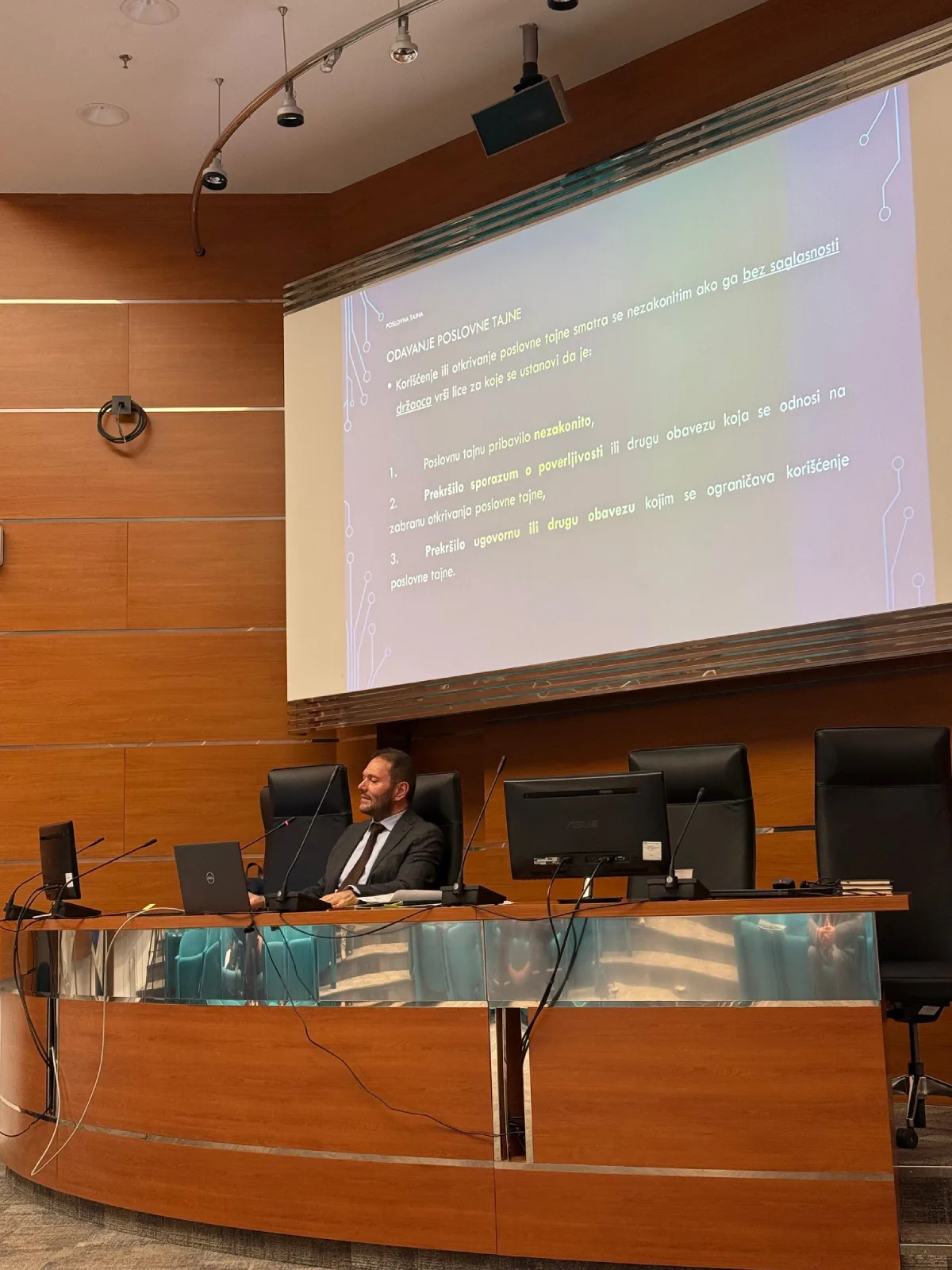


The Banking Law Association organized a one-day training course for bank employees, with the aim of strengthening professional skills and better understanding the regulatory framework governing financial and payment services. This event was a significant opportunity for participants to educate themselves, exchange experiences and gain practical knowledge from experts in this field.
Training program
The training began at 09:30 in the morning, with a ceremonial welcome speech by the organizer. During the day, participants had the opportunity to hear from eminent experts who presented the following topics:
- Regulatory Framework:
- Overview of the legislative framework and the importance of the financial sector.
- The role of employees in the provision of financial services:
- Key aspects of minimum professional competence in accordance with the Law on the Protection of Financial Services Users.
- The role of employees in payment services:
- Requirements and responsibilities in accordance with the Law on Payment Services.
- Misuse of payment instruments:
- How to recognize and prevent misuse in payment transactions.
- Basics of AML regulations:
- The process of opening an account and establishing a business relationship.
- Confidentiality and data protection:
- Processing of sensitive data in accordance with the Law on Banking, the Law on the Protection of Business Secrets and the Law on the Protection of Personal Data.
- Practical application of banking instruments:
- Processing documents such as bills of exchange, guarantees, letters of credit and letters of intent in banking practice.
- Workshop and testing:
- Practical workshop with concrete examples from practice, concluded with a final test.
Results and importance of training
Upon completion of the training, participants received certificates as confirmation of successful participation, while the best participants were awarded certificates with distinction. This program contributed to raising standards in the banking sector and strengthening professional competencies.
Conclusion
The training once again highlighted the importance of continuing education in the banking sector, and the Banking Law Association continues to provide support and organize events that advance knowledge and professional skills.