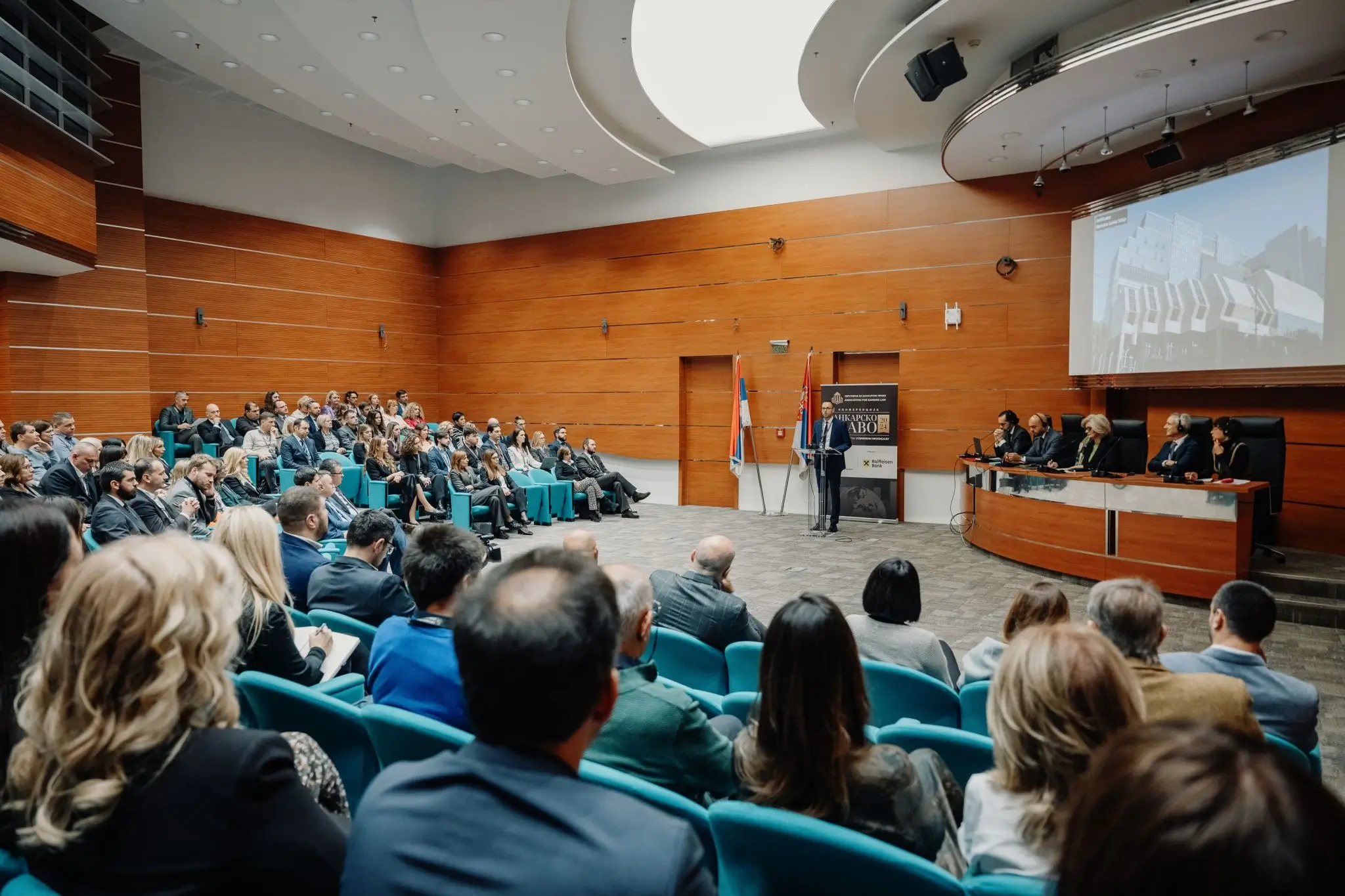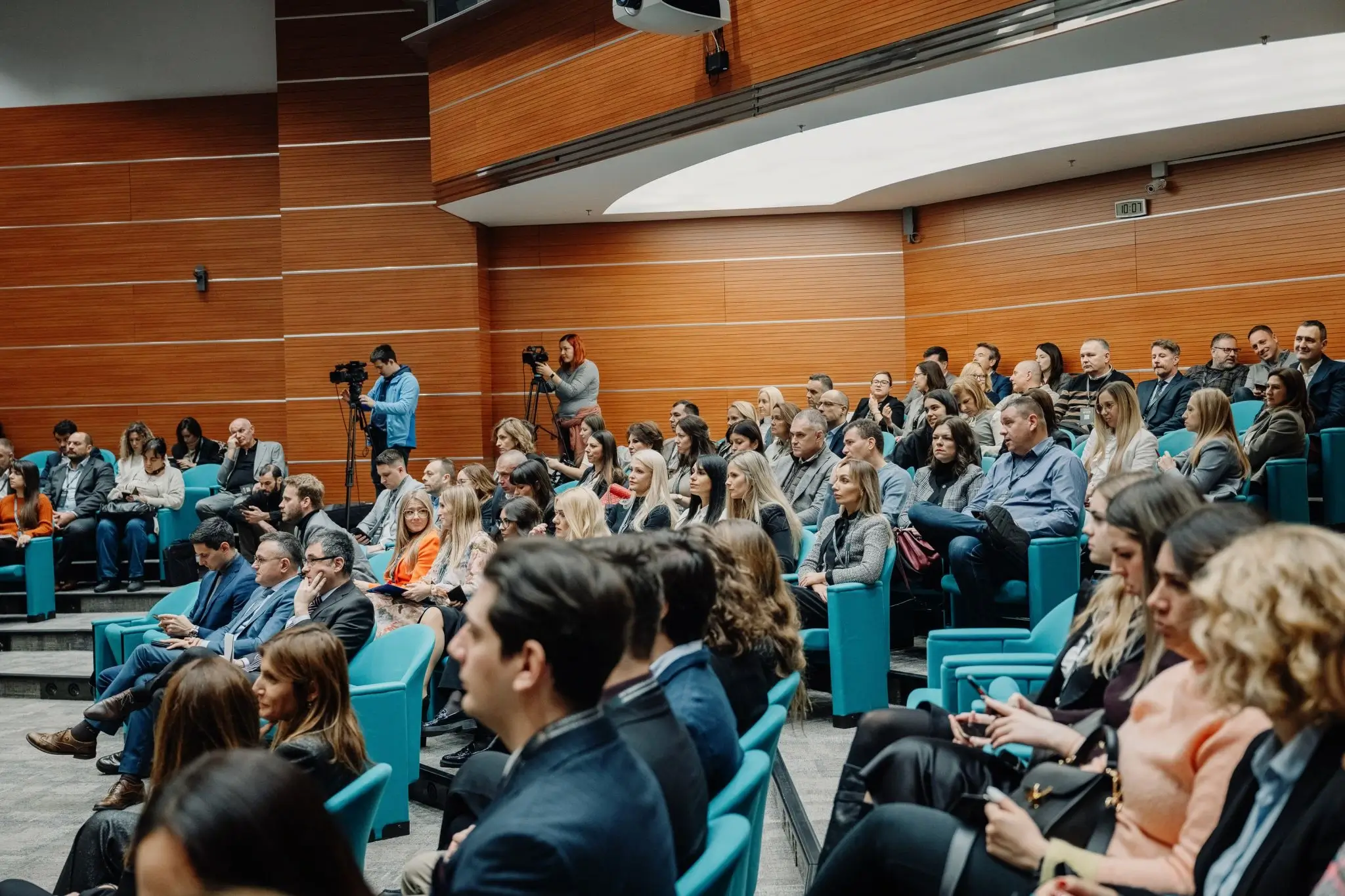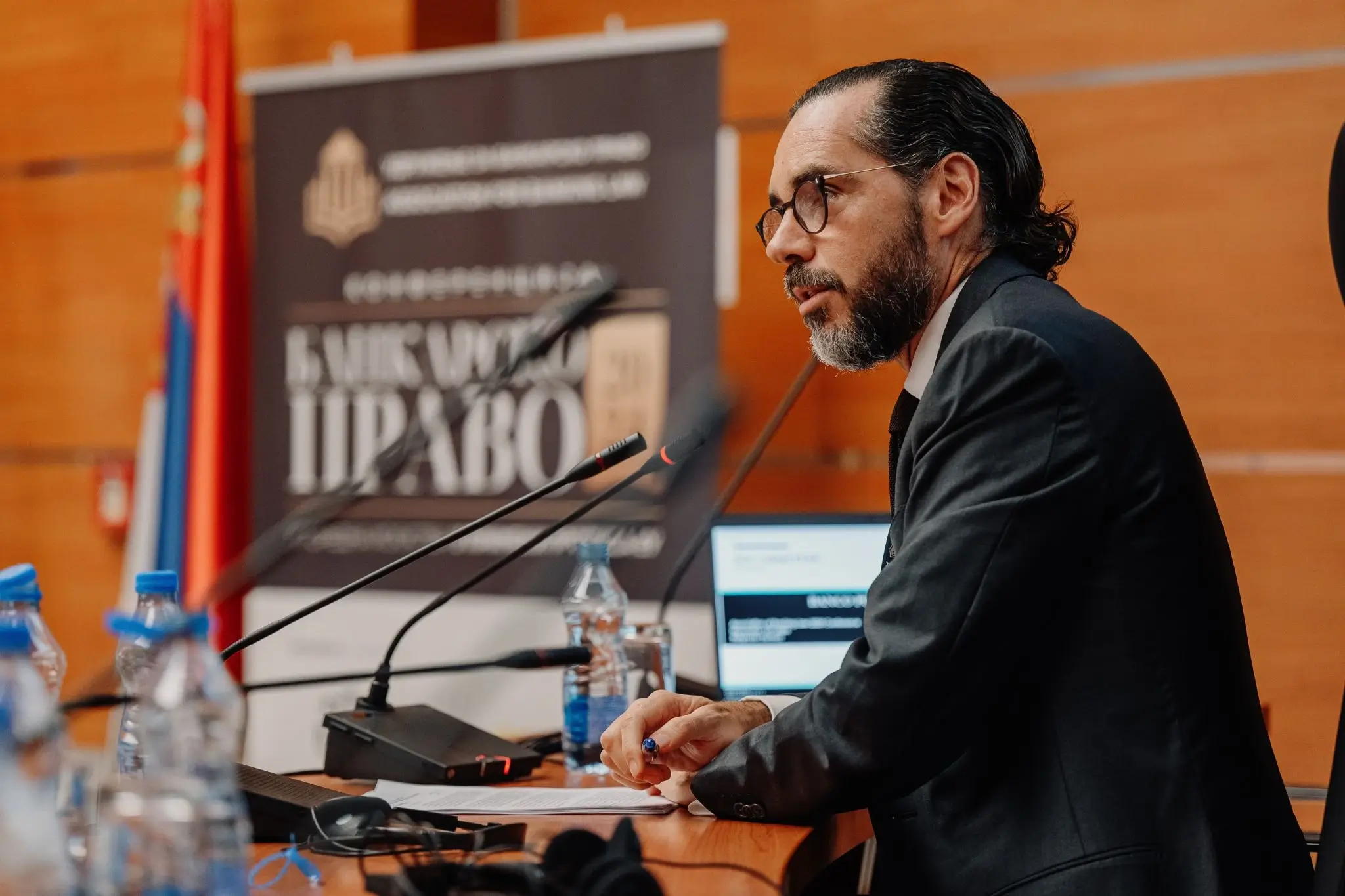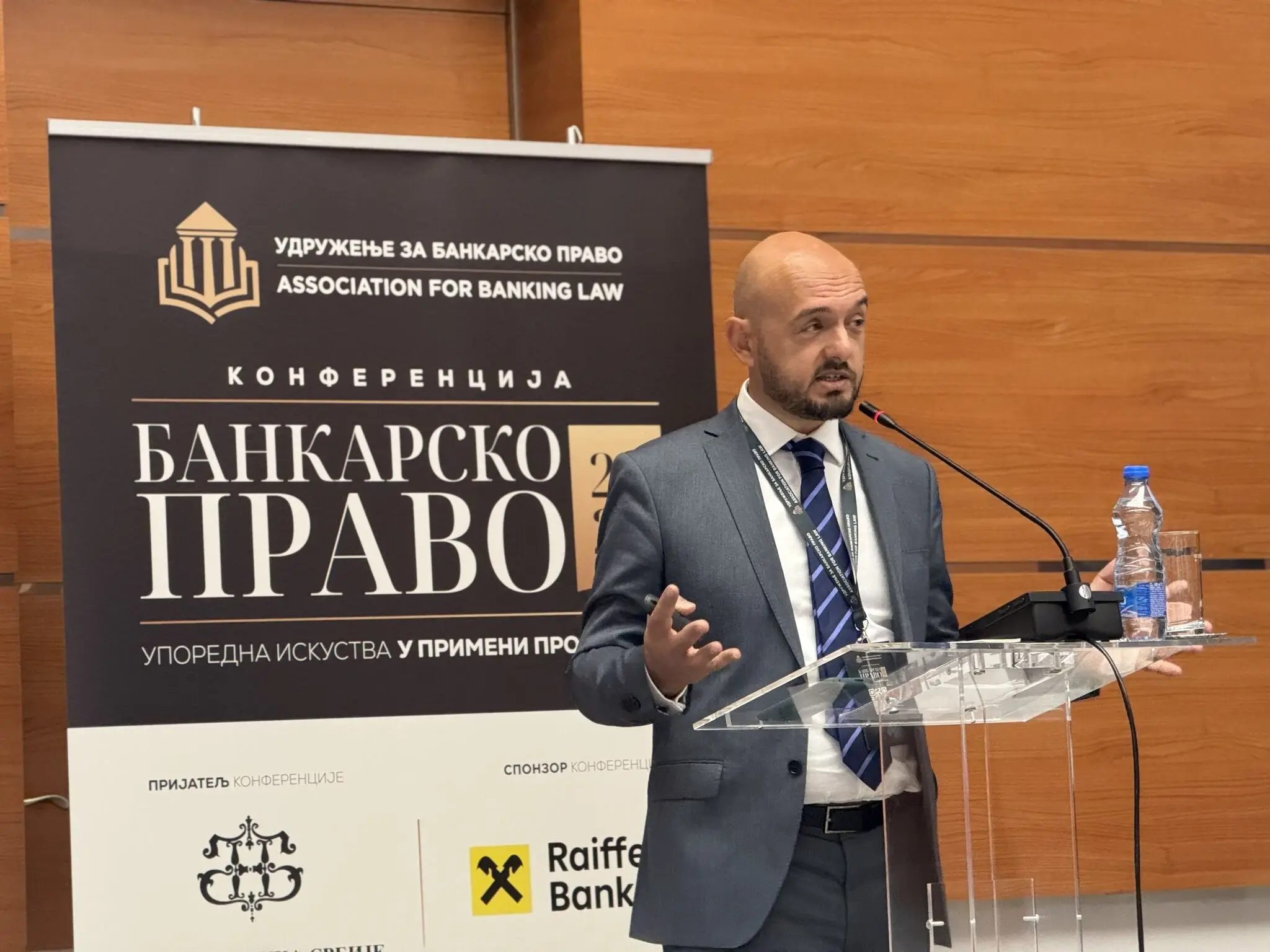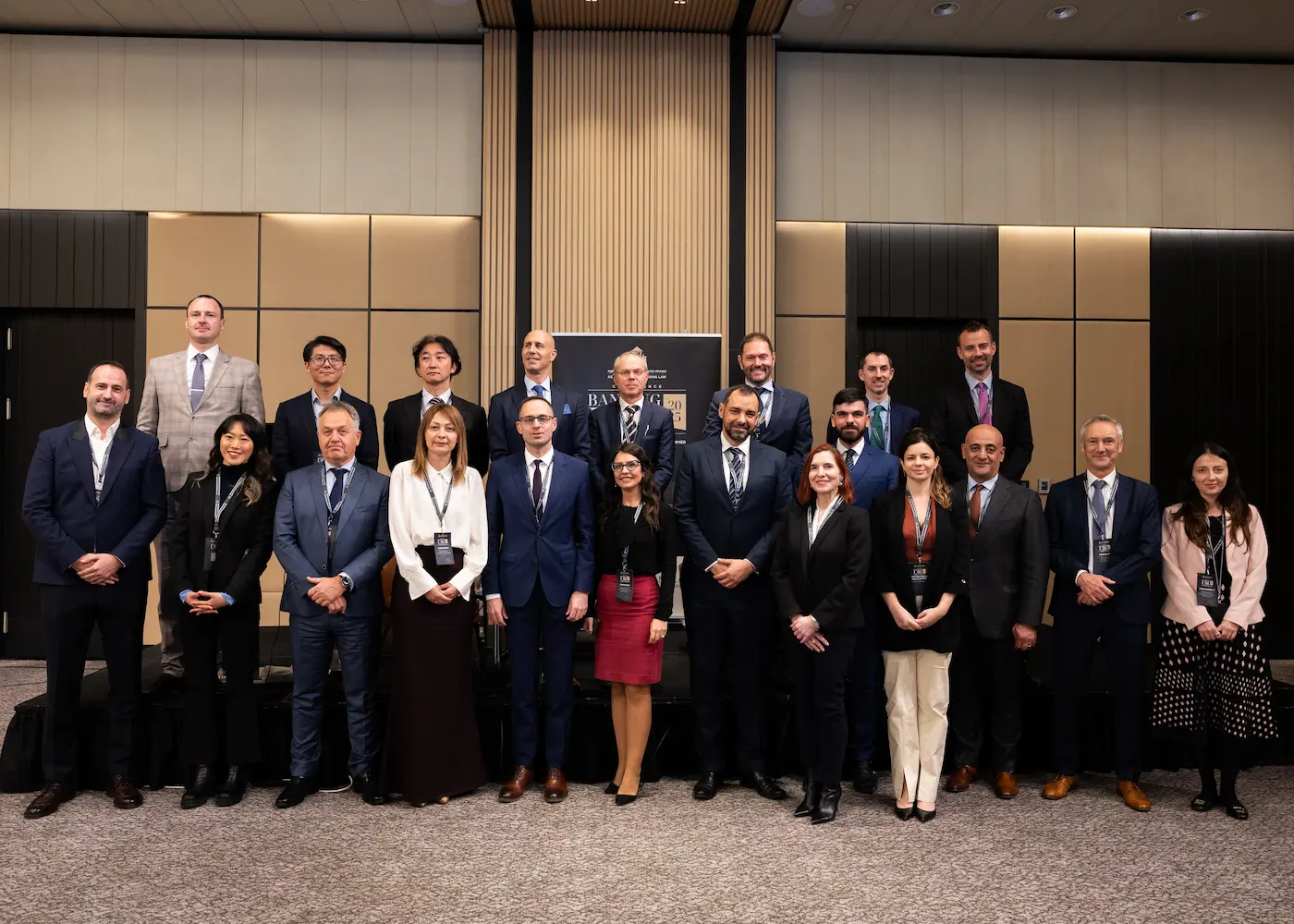

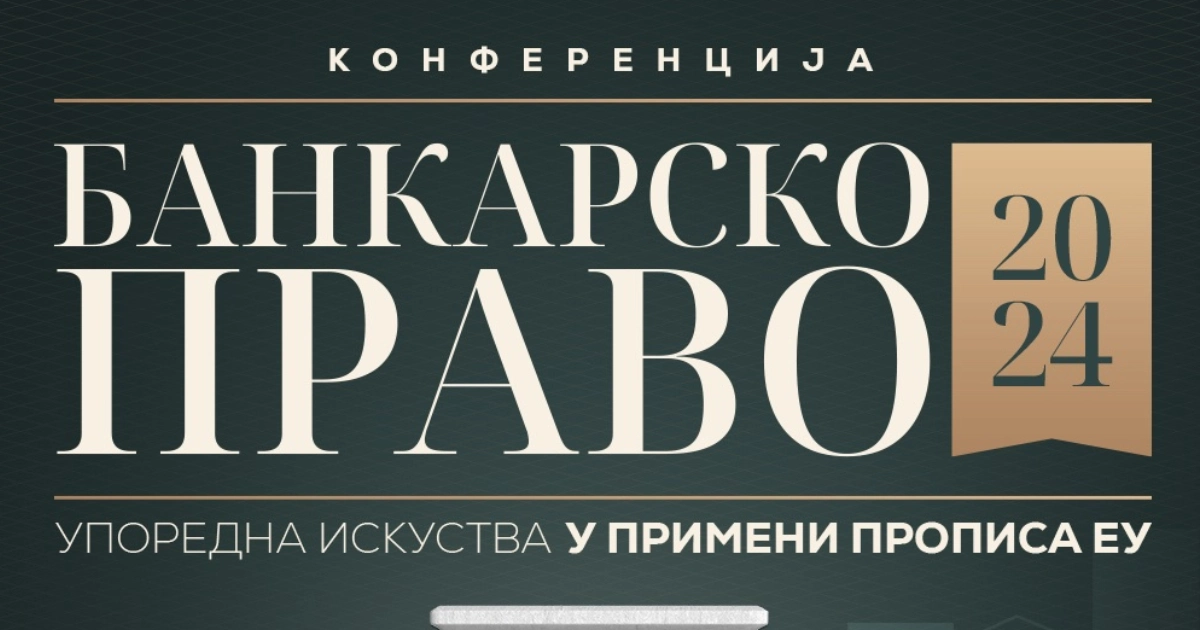
The First Conference of the Association for Banking Law, under the patronage of the National Bank of Serbia and sponsored by Raiffeisen Bank a.d. Belgrade, was a true celebration of legal science.
This year’s conference theme – Comparative Experiences in the Application of EU Regulations – gathered numerous experts from Serbia and abroad to discuss current challenges in banking law.
Official Opening and Keynote Speeches
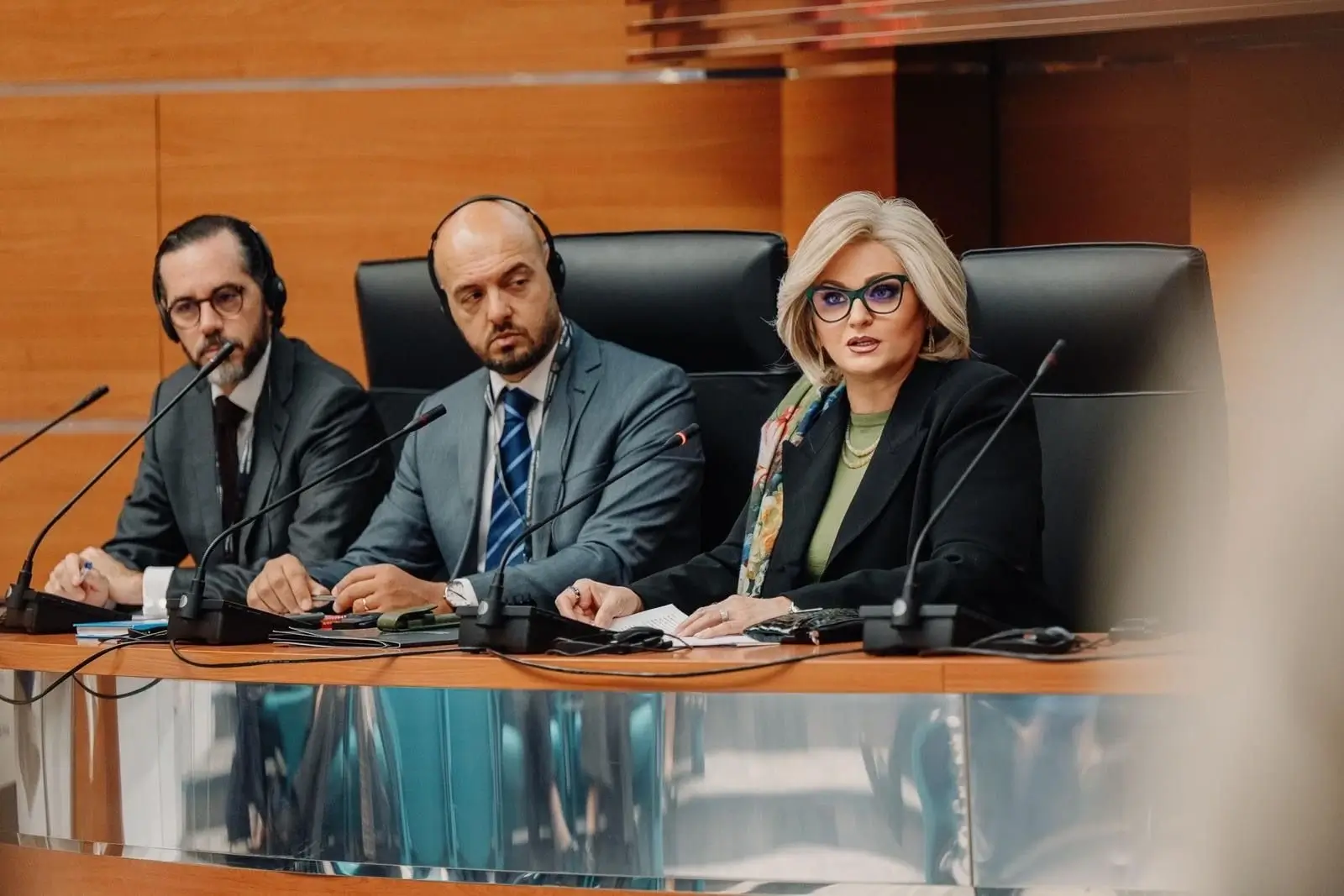
The Governor of the National Bank of Serbia, Dr. Jorgovanka Tabaković, officially opened the conference with inspiring words about the essence of banking law – reflecting on values inherently tied to law, such as justice, fairness, professionalism, and economic growth.
Key Panels and Lectures
Prominent experts from across Europe shared their insights and analyses on legal and economic challenges in the banking sector, with a particular focus on the regulatory frameworks within the European Union. These discussions were especially relevant for Serbia as it moves toward harmonizing its legal system with EU standards.
📌 Matthias Roeder: “Class Actions – Challenges and Benefits in the Banking Sector”
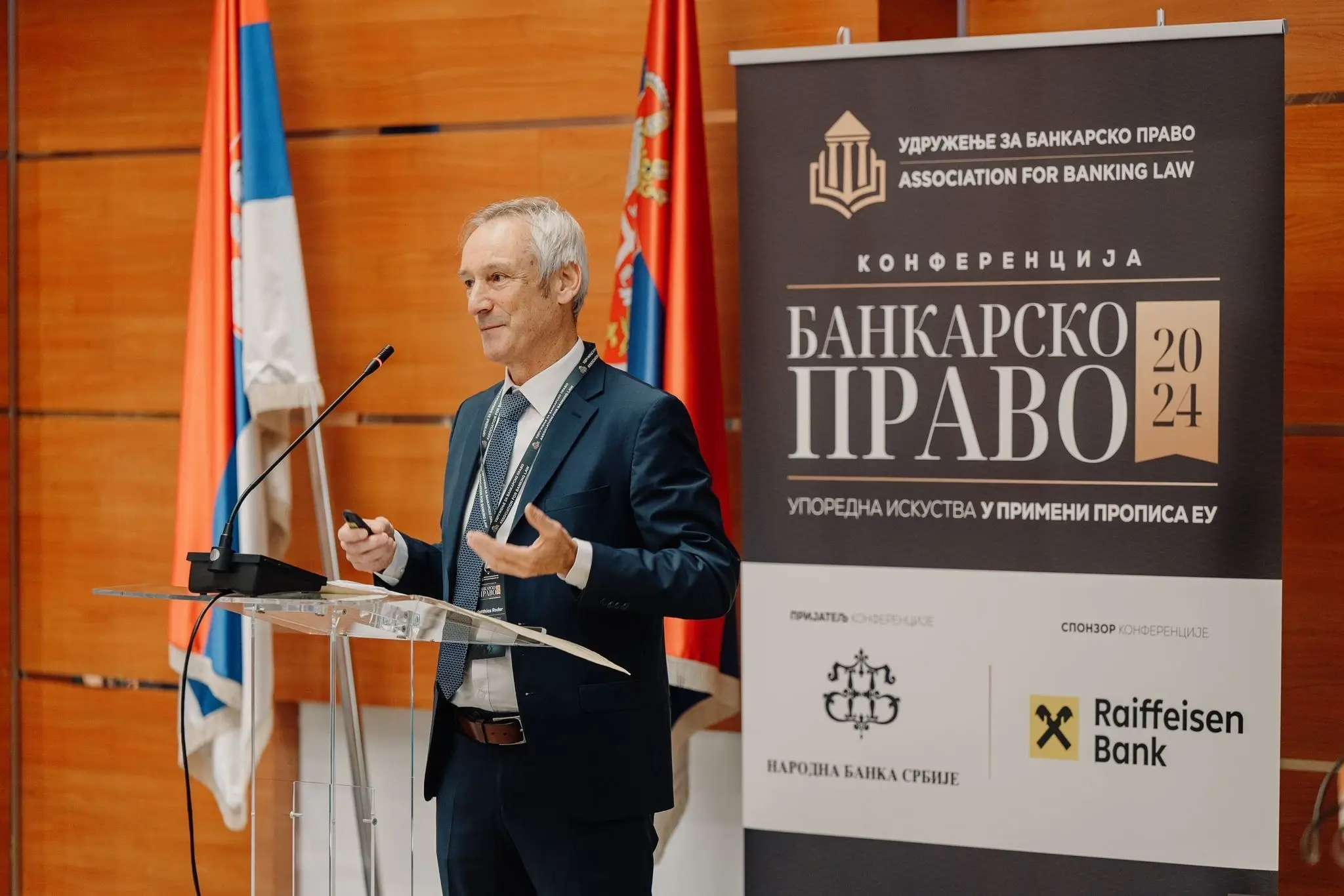
Matthias Roder, Head of Department at the Bavarian Ministry for Environmental and Consumer Protection, outlined the benefits and key challenges of collective actions – presenting the effects of implementing the Collective Actions Directive in Germany. His lecture left a strong impression on practitioners in Serbia, who reflected on the specific experience of mass lawsuits against banks.
📌 Dr. Rita Simon: “Sustainable Financial Instruments – Risks and Prospects”
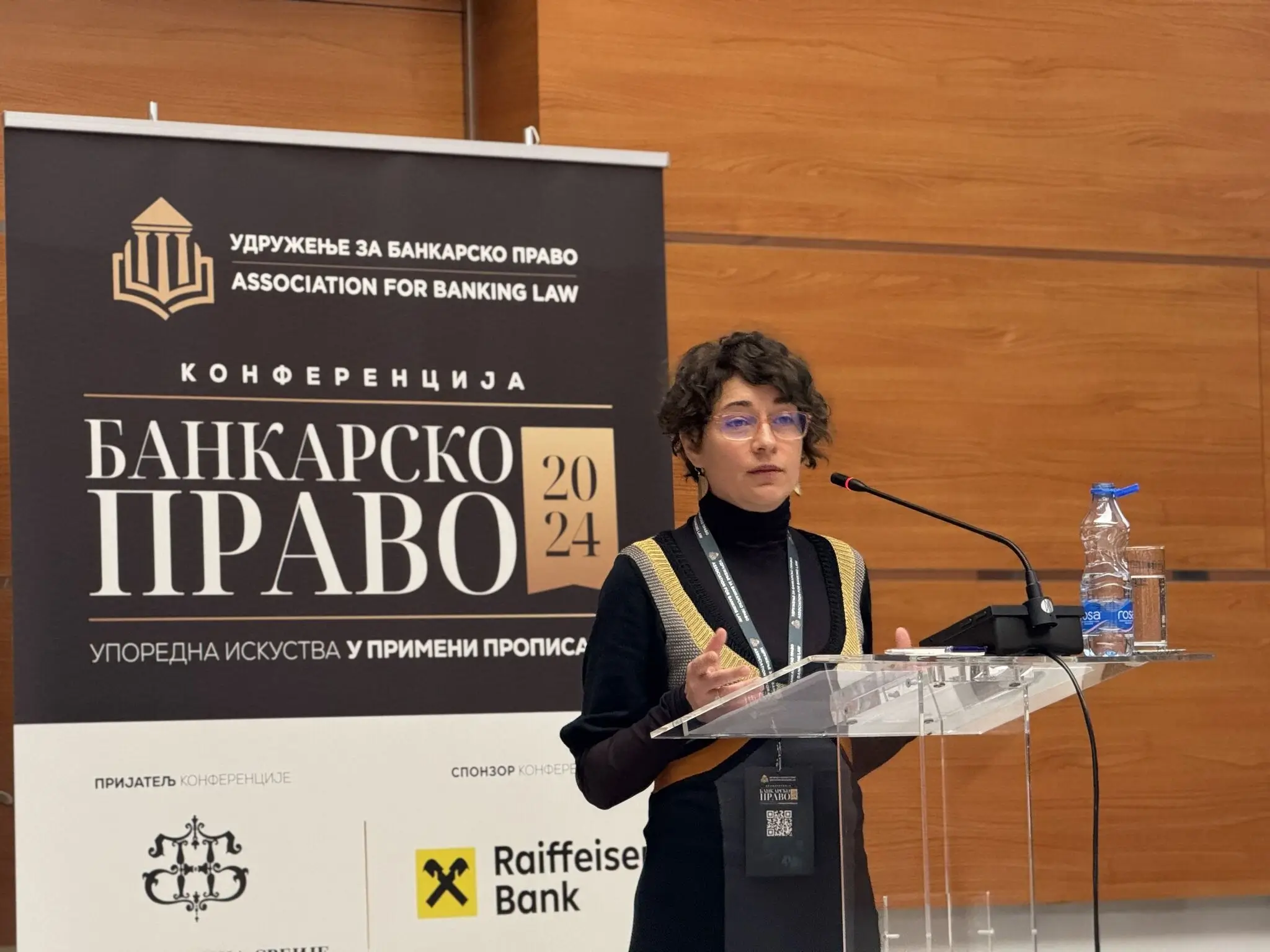
Dr. Rita Simon, Senior Researcher at the Center for Climate Law and Sustainability Studies at the Czech Academy of Sciences, spoke on a globally significant topic – sustainable financial instruments. The rapid climate changes affecting all parts of the world require serious steps toward accelerating sustainability. The trend of issuing sustainable bonds, but also the risks of eco-manipulation accompanying them, are real challenges awaiting every responsible state.
📌 Aki Corsoni-Husain: “The Banking Sector and International Sanctions”
On the banking application of international economic sanctions – an instrument used more than ever – spoke Aki Corsoni-Husain, Global Head of Regulatory and Tax Affairs at Harneys law firm. He explained in detail the procedures of banks in light of sanction packages against Russia imposed by the EU, the UK, and the US. The lecture addressed questions such as: What are the goals of sanctions? How are they implemented? And what is expected from bank employees in Serbia?
📌 Eliseo M. Martínez: “First Bank Resolution by the Single Resolution Board (SRB) – The Banco Popular Case”
Eliseo M. Martínez, partner at the renowned law firm Ius + Aequitas Trial Lawyers, presented the collapse and restructuring of the Spanish bank Banco Popular. Since this was the first case before the Single Resolution Board (SRB), the lecturer pointed out that this EU legal mechanism provides a way to prevent financial catastrophes. On the other hand, the “rescue” of the bank came at the cost of disappointing thousands of investors and savers, for whom criminal proceedings against the bank’s management remain the only satisfaction.
Final Panel Discussion
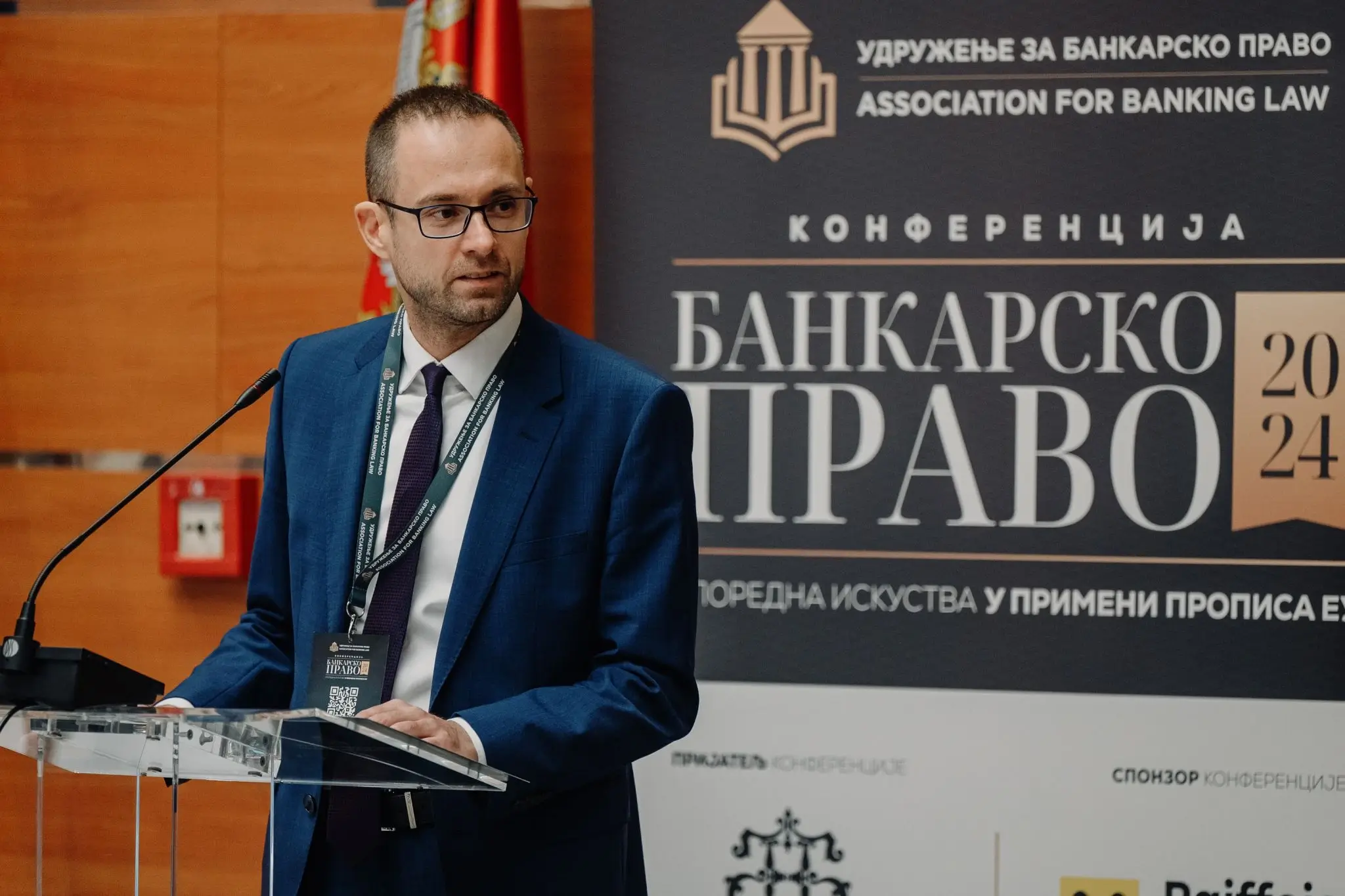
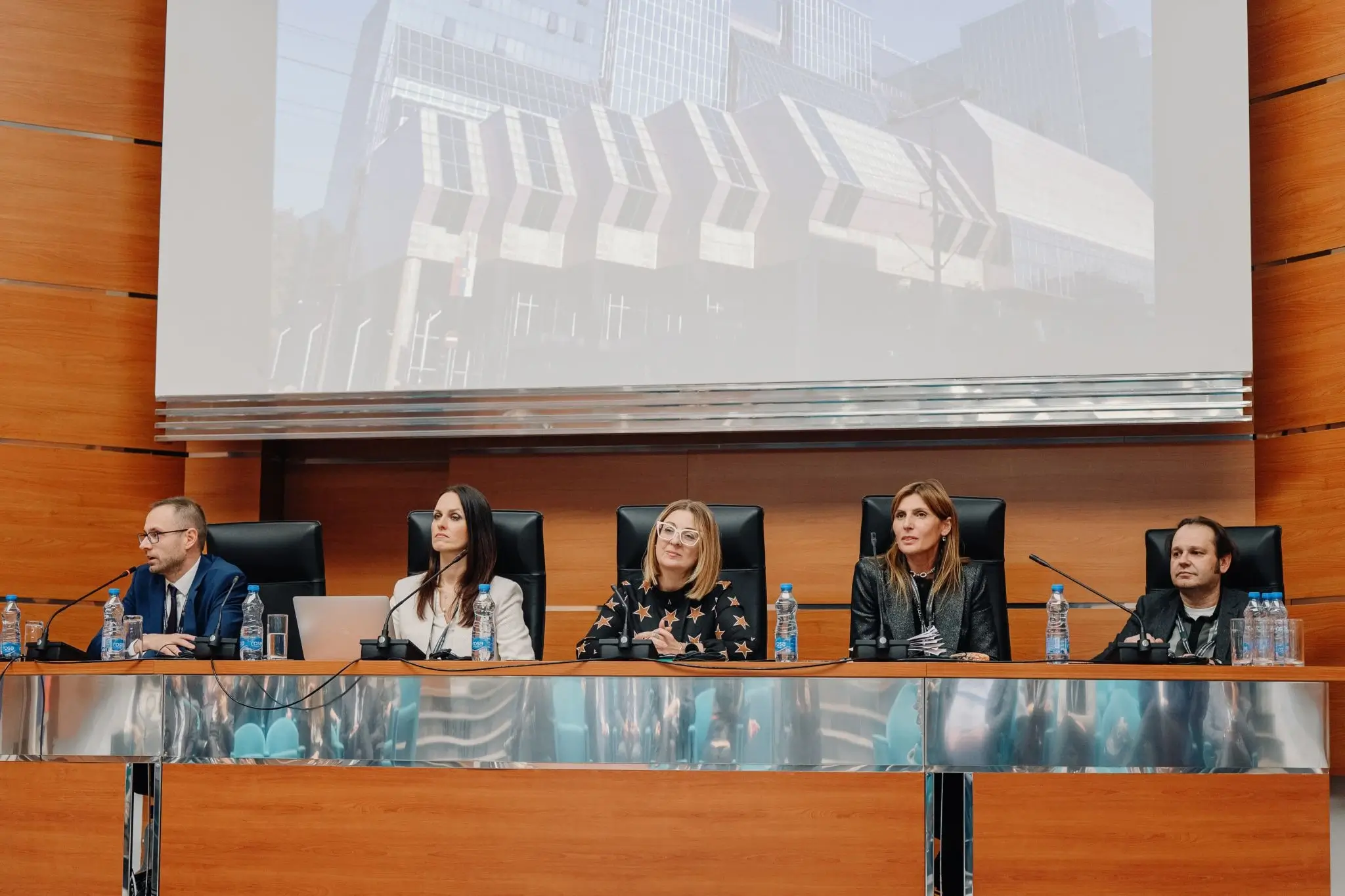
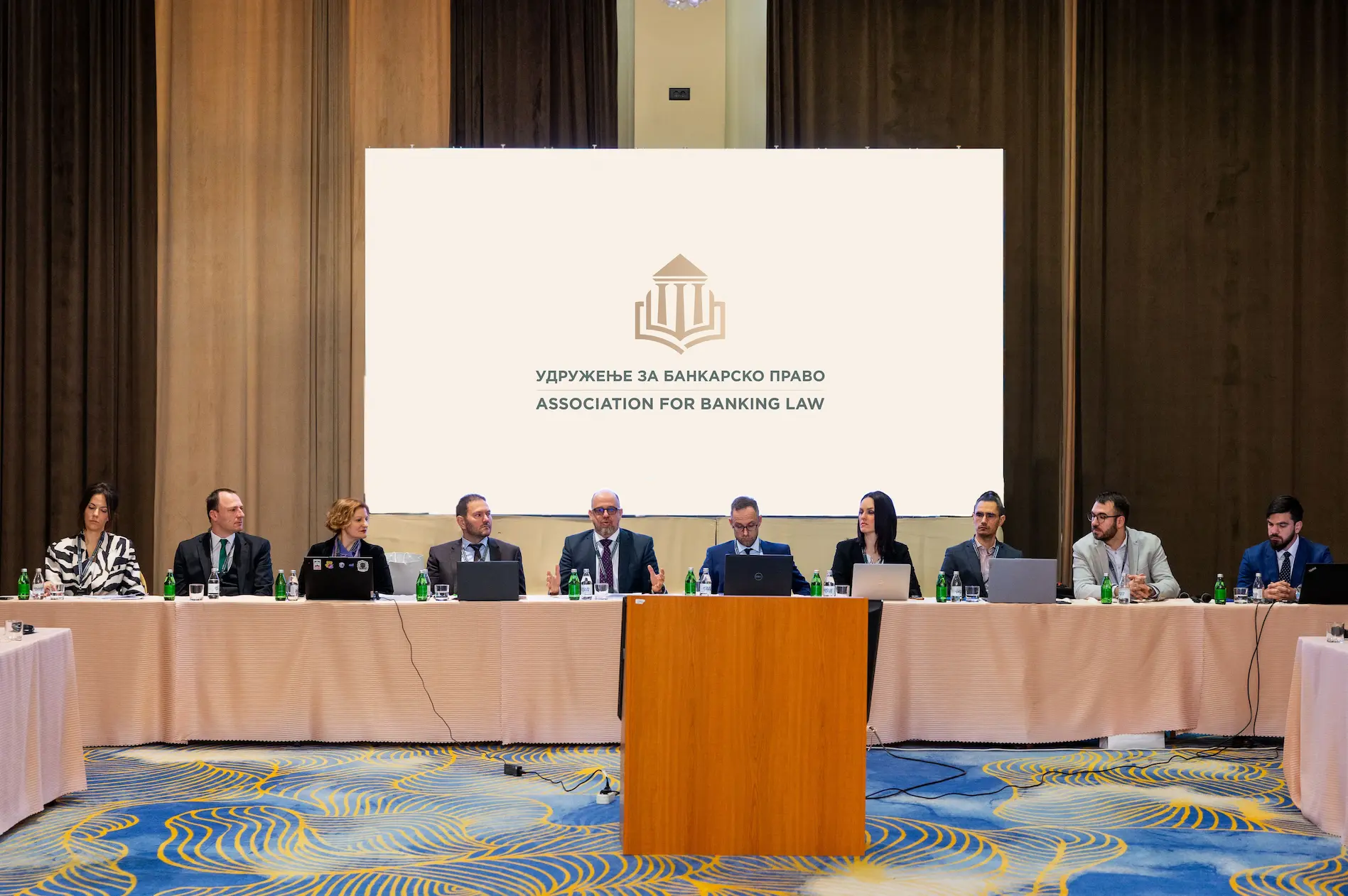
The conference concluded with a substantial panel discussion. On the topic “Banking Law – What Should (Not) Be Regulated?”, representatives of the banking sector (Marina Papadakis and Dušan Mitrović), judiciary (Irena Trifunović Radulović), academia (Mirjana Radović), and regulators (Bojan Terzić) debated. Each expert, from their perspective, argued opinions on new legal solutions, collective actions, and the overall policy of banking law legislation in Serbia.